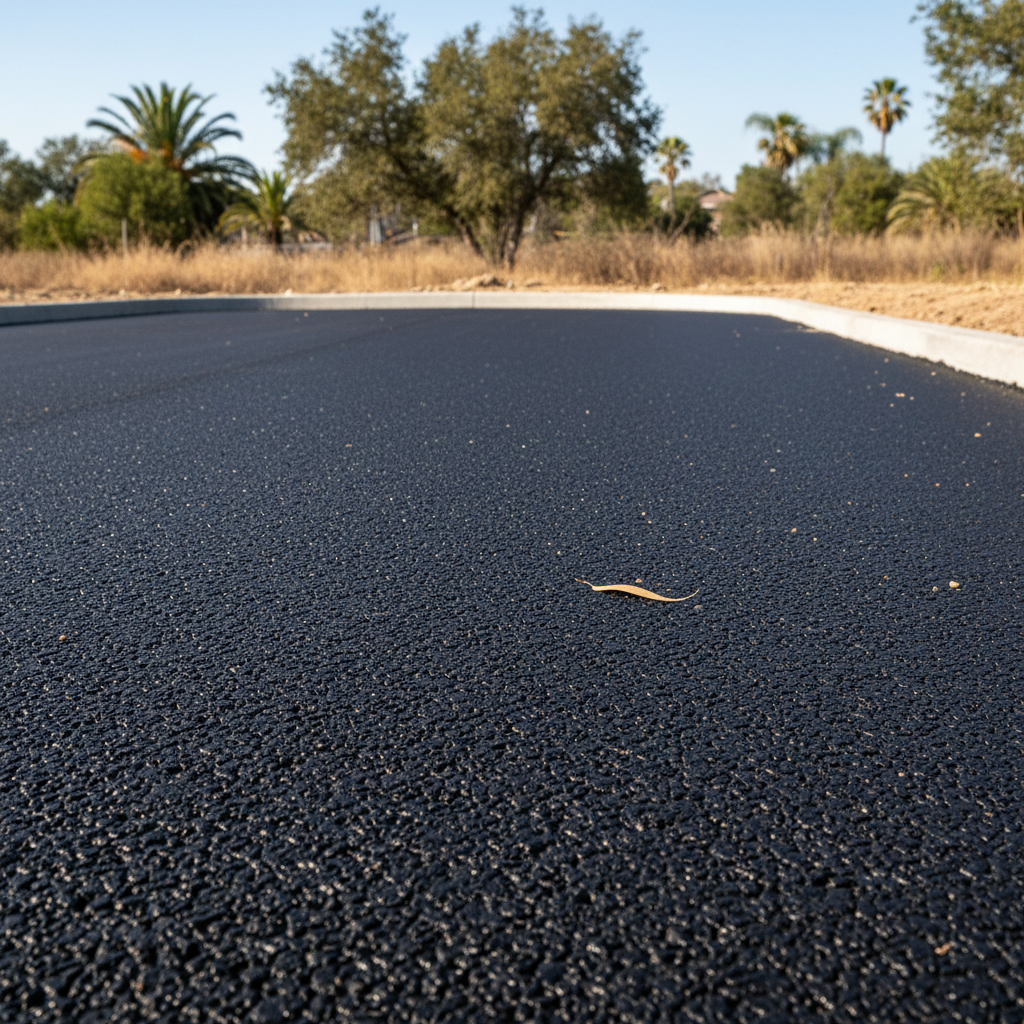
What's the real difference between asphalt and concrete for driveways?
This is probably the first thing people ask me, and it's a solid question. When you're thinking about a new driveway, you've really got two main options: asphalt or concrete. Now, concrete is definitely tough, no argument there. It's rigid, can handle heavy loads, and if it's put in correctly, it'll stick around for a long time—often 25-30 years, maybe even more. Some folks like its cleaner, more uniform look, and you can even stamp or color it to get different styles. The downside? It usually costs more upfront. And when it cracks, fixing it is a bigger headache. You're looking at cutting out sections and repouring, which can leave noticeable patches.
Asphalt, on the other hand, is flexible. That's its real strength, especially here in San Marcos where we deal with those hot summers and the occasional heavy rain that can really shift the ground. It's much more forgiving when things move. Generally, it's cheaper to install than concrete, and repairs are often simpler too – patching and sealcoating can keep it looking great for years. A well-cared-for asphalt driveway can easily last 15-20 years, sometimes longer. The trade-off? It needs more regular maintenance, like sealcoating every few years, to shield it from the sun and water. Oh, and it gets hotter in the sun, which, let's be honest, is a factor if you're walking barefoot in July.
How long does a new asphalt driveway actually last in our San Marcos climate?
Alright, so you've heard the numbers, but what's the actual truth for us right here in San Marcos? A properly installed asphalt driveway—and I mean one with good base prep and quality materials—should easily give you a solid 15 to 20 years. I've even seen some go longer, pushing 25 years, especially when the homeowner is on top of their maintenance. What really impacts that lifespan around here is our intense sun. Those UV rays are brutal on asphalt; they dry out the binders and make it brittle. That's why sealcoating isn't just a suggestion; it's absolutely necessary. Think of it as sunscreen for your driveway. Also, the heavy downpours we sometimes get, especially after a long dry spell, can really test drainage and cause problems if water just sits there. Good drainage is super important for longevity, which brings me to the next question.
What about drainage? My current driveway always has puddles after it rains.
Puddles are a red flag, pure and simple. Good drainage isn't just about avoiding standing water; it's about protecting your whole investment. Water is asphalt's worst enemy. If it sits on your driveway, it's going to seep into cracks, get underneath the surface, and start eroding the base. When that base gets messed up, you end up with potholes, cracks, and eventually, total failure. When we're planning a new driveway, we're always thinking about the slope. We need to make sure the water flows away from your house, away from your foundation, and towards the right drainage points – whether that's a street, a storm drain, or a specific landscape area. Sometimes, that means adding a slight crown or some specific grading. In some of the older parts of San Marcos, especially where properties are built on hills, we might need to put in catch basins or trench drains to handle the runoff effectively. Seriously, don't skimp on this part; it'll save you headaches and money down the road.
Can I pave over my existing driveway, or do I need a full tear-out?
This is a common question, and the answer, as often happens, is: it depends. If your existing driveway, whether it's asphalt or concrete, is in pretty good shape – meaning it's mostly structurally sound with just minor cracking or surface wear – then an overlay might work. We'd clean it really well, fix any big cracks or potholes, and then put a new layer of asphalt right over the top. It's usually cheaper and quicker than tearing everything out. However, if your existing driveway has tons of cracks, major potholes, significant heaving, or drainage problems, then an overlay is basically just putting a band-aid on a broken leg. The underlying issues will eventually show through the new surface. In those cases, a full tear-out and replacement, including fixing the base, is the only way to get a solution that actually lasts. It's more of an investment upfront, but it keeps you from having to do the job twice. I always recommend a site visit to properly check things out before we make that call.
How long until I can drive on my new asphalt driveway?
Patience, my friend, is a virtue, especially with a new asphalt driveway. After we lay down fresh asphalt, it needs time to cure and get hard. Generally, I tell folks to wait at least 24 to 48 hours before driving on it. For the first week or so, try to avoid making sharp turns with your steering wheel while your car is sitting still – those are called power steering marks, and they can leave permanent dents in new asphalt. Also, if you have big vehicles like RVs or boats, you might want to give it a full week or even two before parking them on the new surface, especially during our hot summer months. The hotter it is, the longer it takes for the asphalt to fully set. It'll keep hardening over the next 6-12 months, but those first few days are absolutely critical. Think of it like letting cement dry; you wouldn't walk on it too soon, right?
What causes those annoying oil stains and how do I get rid of them without damaging the asphalt?
Oil stains are a real pain, and they usually come from leaky cars. They don't just look bad; oil and other petroleum products can actually soften the asphalt binder over time, which leads to damage. The best defense is a good offense: if you see a leak, try to catch it with cardboard or an oil pan. If a spill happens, act fast. For fresh spills, kitty litter or sand can soak up a lot of it. Just pour it on, let it sit for several hours or overnight, then sweep it up. For older, set-in stains, you can try a stiff brush with a mild detergent and hot water. Scrub it, rinse it thoroughly, and repeat if needed. There are also commercial asphalt degreasers out there, but you need to be careful with those. Always test a small, hidden spot first, and follow the instructions exactly. Don't use harsh chemicals like gasoline or paint thinner; those will just break down the asphalt even more. And remember, a good sealcoat from Top Notch Asphalt Solutions will give you an extra layer of protection against stains, making them much easier to clean up.
Is there a 'best time of year' to pave a driveway in San Marcos?
Absolutely, there is. For asphalt paving, the perfect conditions are warm and dry. That means our spring and fall are usually ideal. The temperatures are consistently mild, not too hot, not too cold, and we typically get less rain than in the winter months. When it's too cold, the asphalt cools too quickly, making it harder to compact properly, which can lead to a less durable surface. When it's super hot, like those 100-degree days we get in August, the asphalt can stay too soft for too long, making it more prone to damage while it's curing. Plus, working in extreme heat is tough on the crew, and it can affect the quality of the work. So, while we can pave year-round, aiming for those sweet spots in April-May or September-October usually gives you the best results for a driveway that lasts.
How do I choose the right contractor? I hear a lot of horror stories.
Yeah, you hear stories, and unfortunately, some of them are true. Picking the right contractor is absolutely crucial. First off, get multiple bids, but don't just jump at the cheapest one. A super low bid usually means they're cutting corners somewhere – maybe on materials, maybe on labor, or maybe they're not even licensed. Always check for proper licensing and insurance. You want to make sure they're covered if there's an accident on your property, right? Ask for references, and actually call them. See if the contractor was responsive, on time, and if the work held up. Look for a local company that understands the specific challenges of paving in San Marcos, like our soil types or typical weather patterns. A good contractor will also give you a detailed, written estimate that clearly breaks down the costs and what work they'll do. They should be open about the process and happy to answer all your questions. And trust your gut. If something feels off, it probably is. We pride ourselves on being upfront and doing quality work, because our reputation in this community means everything to us.