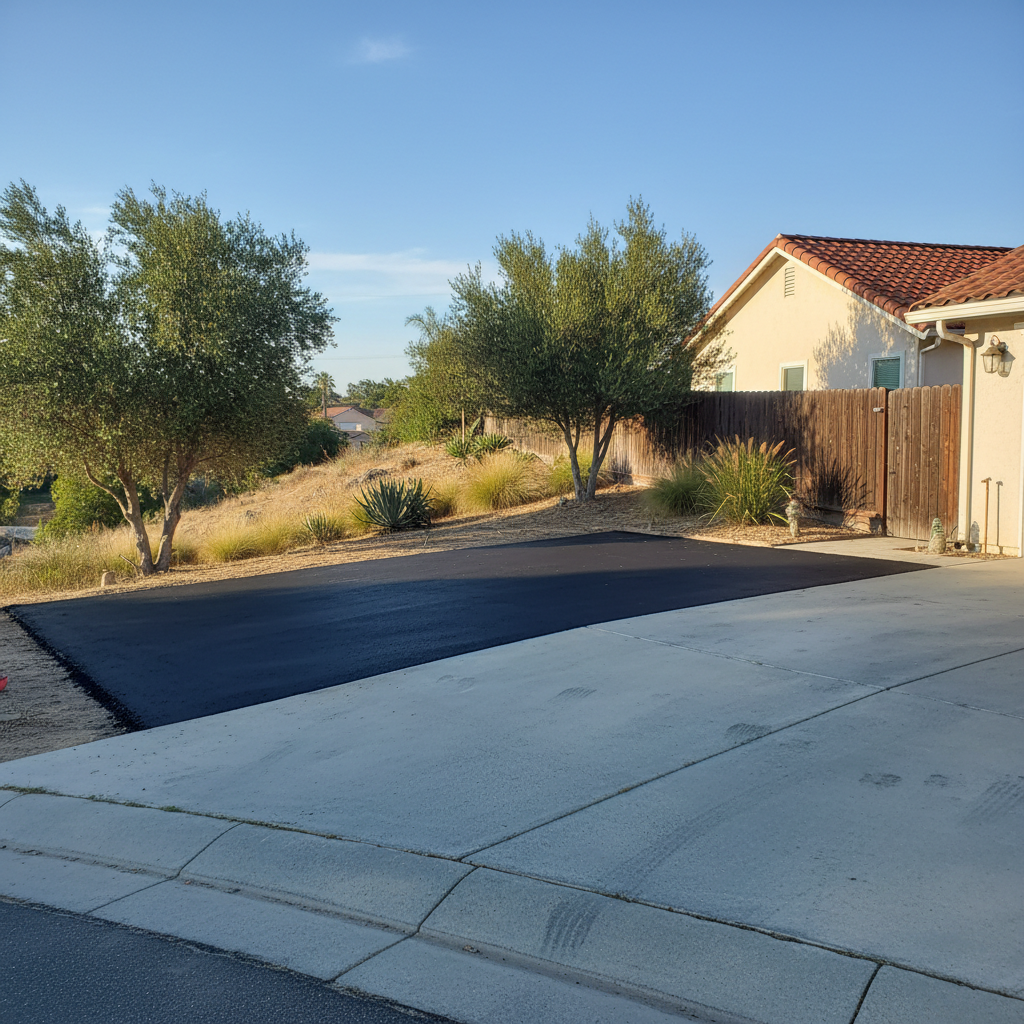
So, when's the best time to get your asphalt driveway or parking lot checked out here in San Marcos? Honestly, that's a question I get asked a lot, and it's a good one. Our Southern California climate, while absolutely gorgeous, definitely has its own little quirks that really hit asphalt hard. You can't just pick any old day and expect the best results or, more importantly, a repair that actually lasts.
Understanding San Marcos Weather & Your Asphalt
Our weather here? Pretty consistent, right? But those subtle seasonal shifts? They make a huge difference for asphalt. We're not dealing with harsh winters like folks back east, but the one-two punch of our hot, dry summers and then cooler, sometimes damp, winters can still take a real toll. Just picture those intense afternoon sun rays baking your driveway in August, then the occasional heavy rain we get come January or February. That constant expansion and contraction, plus water sneaking into cracks, is what really starts breaking asphalt down over time.
You've probably seen it yourself: a tiny crack pops up, and then after a few months of sun and a good rainstorm, boom, it's twice as big. That's why timing your repairs and maintenance is so crucial. It's not just about getting it done; it's about getting it done right, when the conditions are perfect for the materials to cure properly and bond effectively. Otherwise, why bother?
The Best Times for Asphalt Work
Generally speaking, the sweet spot for most asphalt work – whether you're talking patching, sealcoating, or even a full overlay – is when temperatures are consistently moderate. We're aiming for daytime temps usually between 50°F and 90°F. Here in San Marcos, that typically means late spring, early summer, and then again in the fall.
- Spring (April to June): This is prime time, no doubt about it. The ground has had a chance to dry out from any winter rains, and the temperatures are steadily climbing without getting scorching hot yet. Asphalt materials cure beautifully in these conditions. If you've got cracks that opened up over the winter, this is when you want to get them filled, before they decide to get any worse.
- Early Summer (June to July): Still a solid window, especially for sealcoating. The warmer temps really help the sealant dry and cure faster, which means you can get back on your driveway sooner. Just make sure it's not a day when the mercury is pushing 100°F, because that can cause issues with the material setting too quickly or unevenly.
- Fall (September to November): Another excellent period. The intense summer heat has passed, but it's still plenty warm enough for proper curing. We usually get less rain in the early fall too, which is a big plus. If you happened to miss the spring window, don't sweat it; fall is your next best bet to get things buttoned up before any significant winter weather rolls in.
When to Skip Scheduling Asphalt Work
Just like there are ideal times, there are definitely times you want to avoid. You really don't want to waste your money on a repair that won't last because of bad timing, do you?
- Winter (December to March): This is generally a no-go for major asphalt work. The cooler temperatures slow down the curing process quite a bit, and any moisture from rain or even heavy morning dew can compromise the bond of sealants and patches. For example, in neighborhoods like Discovery Hills, where we sometimes see shaded areas stay damp longer, winter work is particularly risky. You're simply better off waiting for spring.
- Extreme Heat (Mid-Summer Heatwaves): While warm is good, excessively hot isn't. When it's over 95°F, asphalt materials can get too fluid, making it tough to get a consistent application. It can also cause water to evaporate too quickly from sealcoats, leading to premature cracking.
- Rainy Days: This one's a no-brainer, honestly. Asphalt materials, especially sealants and emulsions, need a completely dry surface to stick properly. Trying to apply them when rain is coming or has just happened is just asking for trouble.
Protecting Your Investment Year-Round
Preventative maintenance is absolutely the name of the game. You shouldn't wait until you've got a massive pothole to call someone. Here's what you can do:
- Regular Inspections: Take a walk around your driveway or parking lot a few times a year. Look for new cracks, potholes, or spots where the asphalt looks like it's falling apart. Catching these early saves you a ton of money down the line.
- Crack Sealing: This is probably the most important thing you can do. Cracks are like open invitations for water to get under your asphalt, freeze (if it ever got cold enough here, which it doesn't really), and expand, or just erode the base layer. Seal them up as soon as you spot them.
- Sealcoating: Every few years, a fresh coat of sealant protects your asphalt from UV rays, water penetration, and oxidation. Think of it as sunscreen for your driveway. It keeps it looking good and really extends its life significantly.
- Proper Drainage: Make sure water isn't pooling anywhere on your asphalt. If you have areas where water collects, that's going to lead to premature breakdown. Sometimes, a simple fix to a landscape drain can make a huge difference.
Look, your asphalt is a big investment, and you want it to last, right? By understanding how our San Marcos climate affects it and scheduling your maintenance and repairs at the right time, you'll get the most out of it. If you've got questions about your specific situation or you're ready to get some work done, give us a call at Top Notch Asphalt Solutions. We're always happy to come out, take a look, and give you an honest assessment.